Home > > Company News
THINMOO | BUILDING IoT · SMART ACCESS
RTNV100 | Delivery, cleaning and inspection robots run the whole campus on their own
What this covers
▍ 01 Industry pain points|Robots bought, but stuck on one floor
▍ 02 Product solution|One controller that opens doors and calls elevators
▍ 03 Five core capabilities|No elevator changes, one box replaces three, no signal drop in the car
▍ 04 Doors and cabinet access|From vertical elevator transit to horizontal access
▍ 05 Scenario deployment|Five typical sites and how they use it
▍ 06 Versions and specs|VA / VE / VE Pro, and how to choose
01Industry Pain Points
Robots bought, but stuck on one floor
Cross-floor vertical transit is the shared hurdle for scaling service robots.
01
Doors and smart cabinets
Robots cannot control or sense door access.
02
Protocol integration
Elevator brands and models are fragmented; OEM protocols are closed or take months to integrate.
03
Signal loss in the car
The elevator car is a Faraday cage. 4G and public Wi-Fi attenuate on entry, so door-hold commands drop.
04
High deployment cost
The classic approach — a machine-room gateway, a car-top sensor and an in-car AP — is heavy on hardware and cabling.
05
Fragmented management
Many devices across widely spread sites, with no remote shadow, calibration or OTA — only near-field point-to-point control.
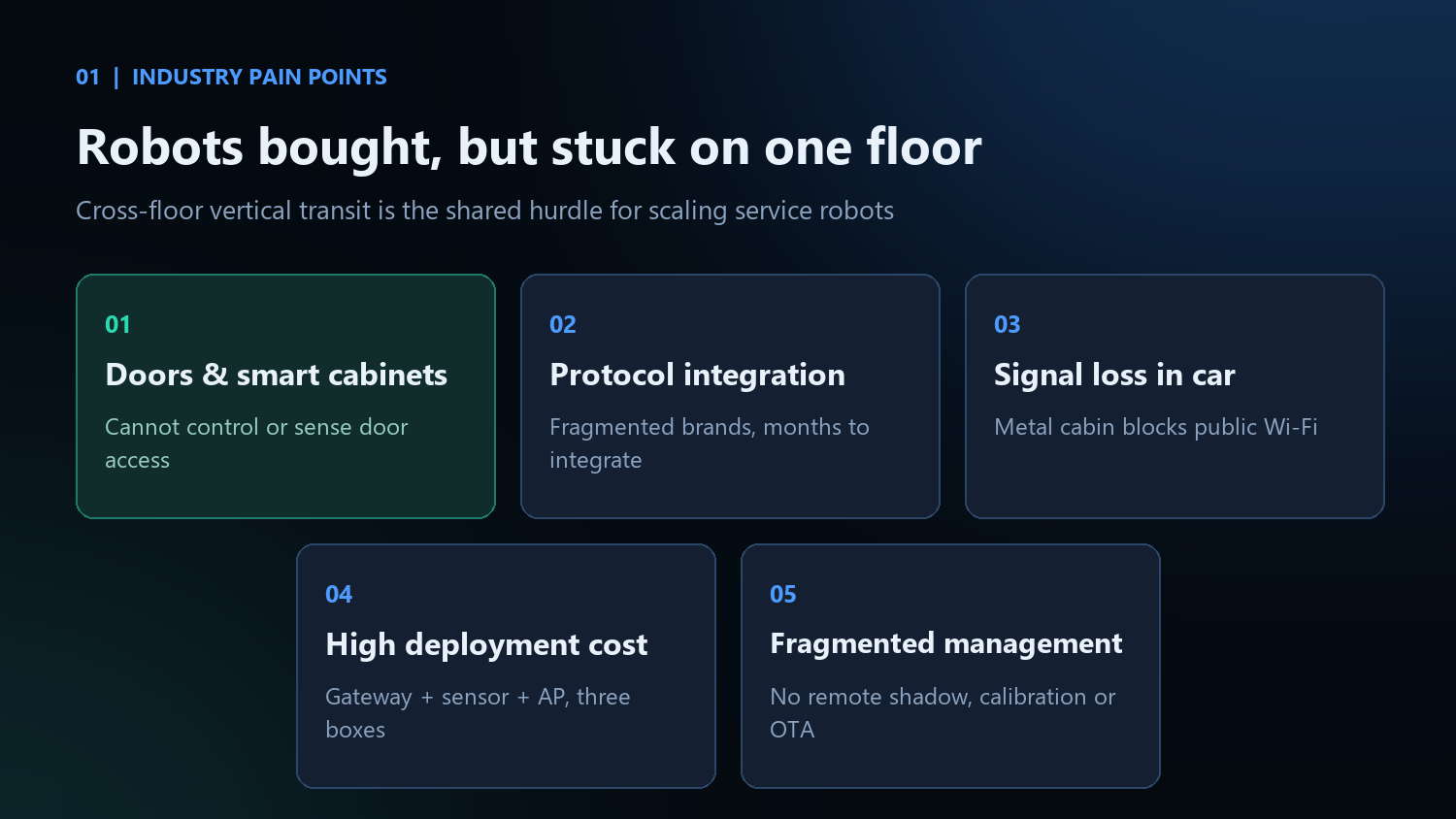
Figure 1 | Five hurdles
02Product Solution
One controller that opens doors and calls elevators
A single edge board handles floor sensing, dry-contact elevator calling and in-car local control.
The architecture has four stages: service robot (delivery / cleaning / inspection) → RTNV100 → elevator OEM. RTNV100 performs multi-modal multi-sensor floor detection, dry-contact calling and floor selection, and SoftAP + BLE local control on board; optionally it links up to a robot transit cloud for queuing, OTA and O&M.
Three things we do not do
No elevator changes Never enters the safety circuit, never taps the mainboard
No OEM protocol Dry contact in parallel with the button, 30 minutes of vendor service
Any robot brand Standard MQTT / UDP / BLE JSON
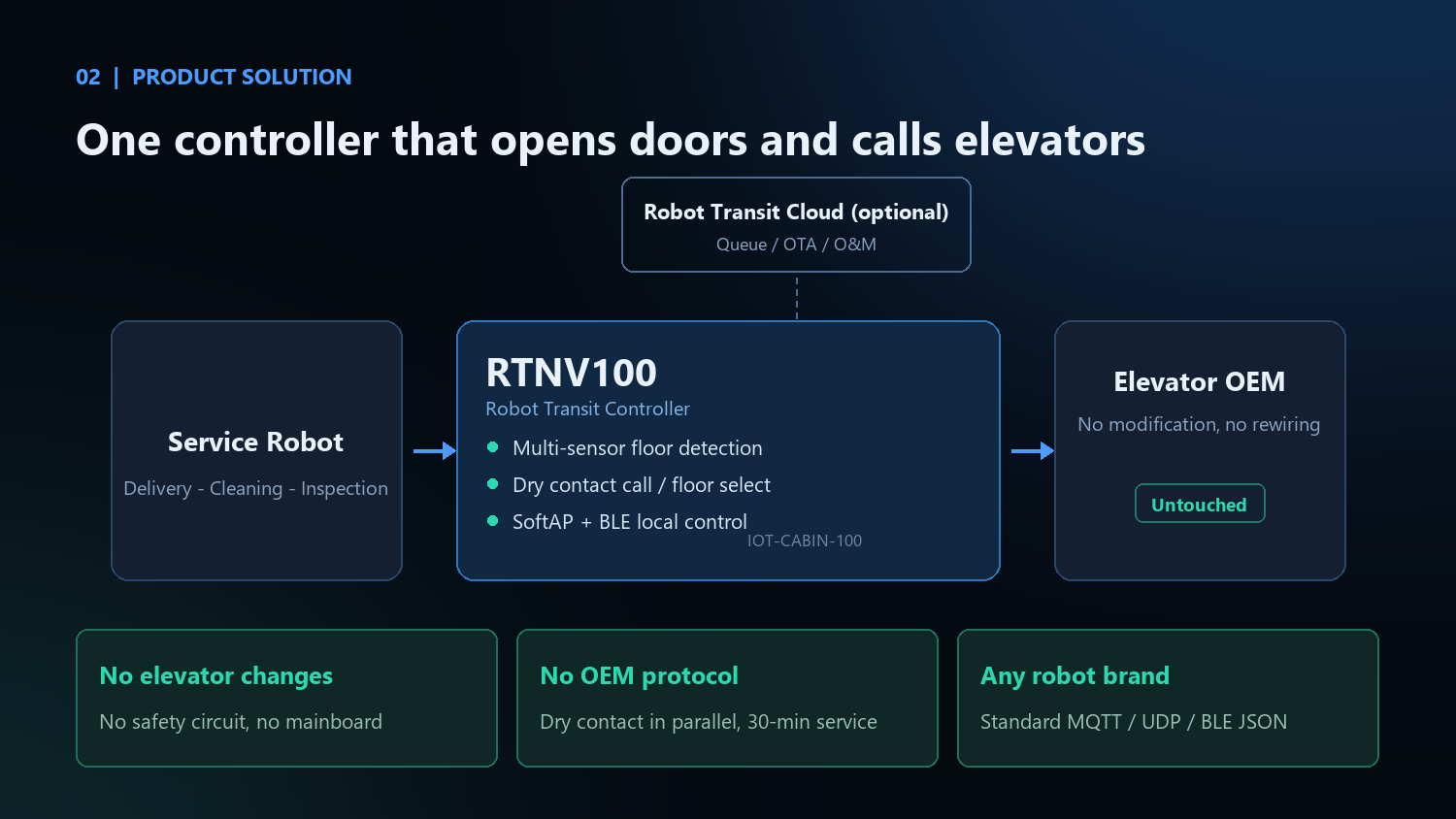
Figure 2 | Four stages: robot → RTNV100 → elevator OEM, with optional cloud link
02Product Solution · Hardware
Robot transit controller, ready to install
One board, three capabilities in one.
· Sensing|Multi-modal multi-sensor perception, self-sensing, self-calibration
· Actuation|Potential-free dry contact COM+NO
· Communication|Wi-Fi + BLE + Ethernet + 4G
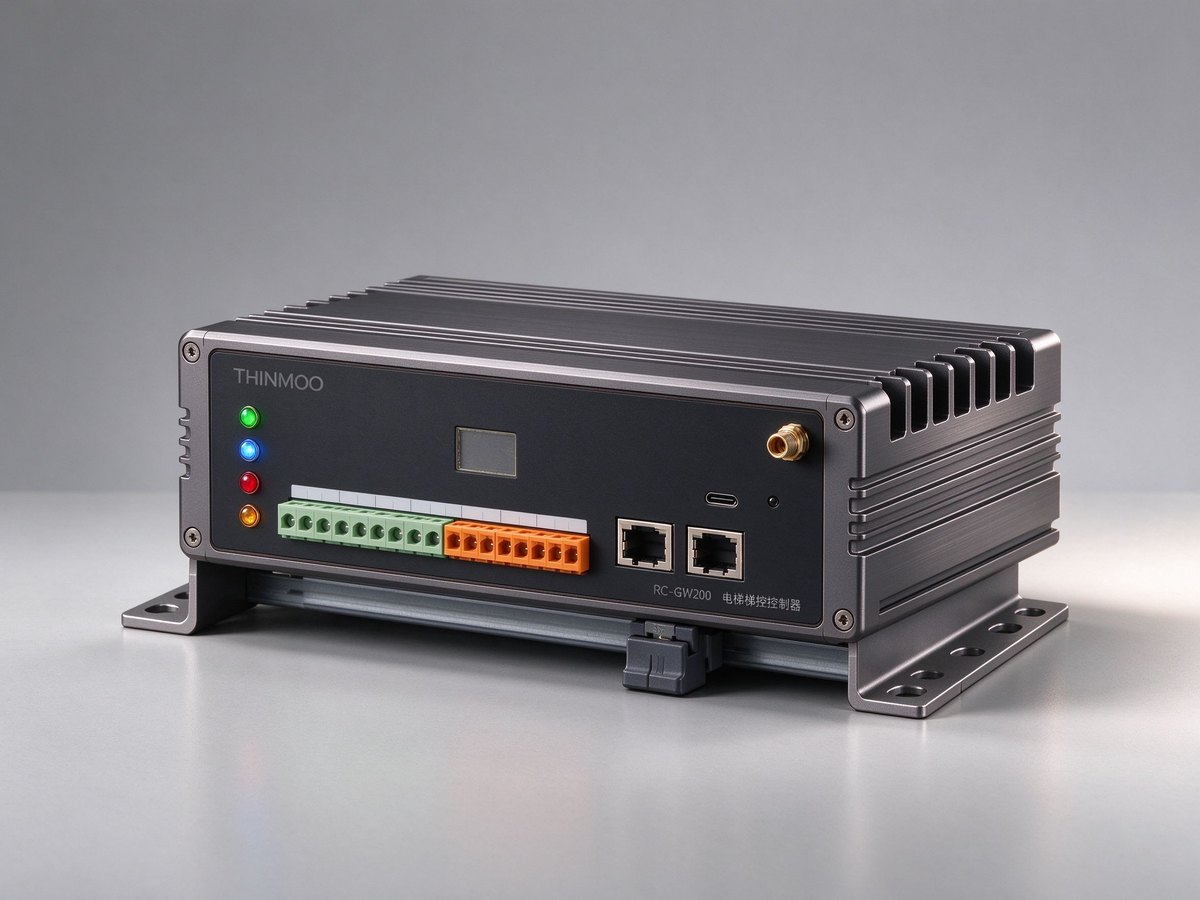
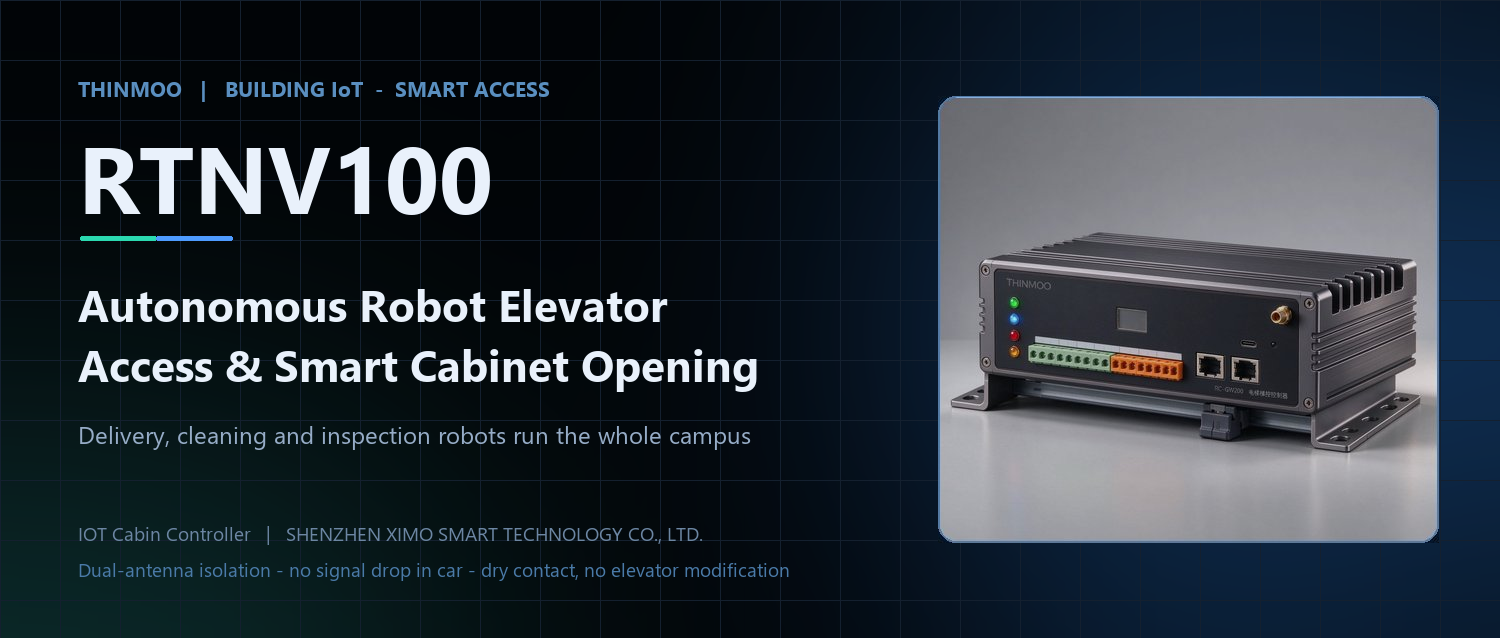
Figure 3 | Product photo, left to right: four status LEDs, green and orange terminal blocks, dual RJ45 ports, SMA antenna connector, USB-C debug port; heat-sink fins on top, DIN rail bracket below
03Five Core Capabilities
Each one answers a concrete problem on site.01No touching the elevator, compliant add-on
Buyers fear being blamed for an accident after modifying an elevator.
· Potential-free dry contact COM+NO in parallel with the button: only in parallel, never in series; no mainboard modification, never in series with the safety circuit
· Restores the original button on power loss: the relay releases automatically when power is cut, and the elevator's original button function fully recovers
· No need for OEM protocol access: following the peripheral-addition approach of SAMR [2019] No. 64, a vendor team installs it in about half an hour02One box replaces three, lighter deployment
Three boxes become one.
· Classic approach: machine-room gateway + car-top sensor box + car-top standalone AP
· RTNV100: sensing + elevator calling + in-car AP, three-in-one
· Result: no rack space in the machine room, half the cabling, a smaller single point of failure03Still connected inside the car
A metal car is a Faraday cage; the public network cannot get in.
· The robot connects directly to the unit on board: SoftAP + BLE 5.4, no dependency on the public network
· Entries and exits still work if the cloud drops: the door-hold command is re-triggered locally every 1 second, so the robot still walks out of the elevator
· Dual antennas physically isolated: the 5.8G shaft antenna outside and the 2.4G / BLE antenna inside the car sit on opposite sides, curing steel-plate shielding04Three fingerprints, no floor drift
Not a barometer in a trench — a unique ID for the elevator shaft.
· Multi-modal multi-sensor perception: automatic recognition
· Multiple floor calibration options: light sensors, RFID
· Multi-fingerprint magnetic matching: geomagnetism gives every floor a unique magnetic fingerprint, so floors can be re-identified quickly after a power cut05Open interfaces, managed by your platform
It does not take over dispatch — it is a dependable single-elevator actuator.
· Standard interfaces: MQTT / UDP / BLE JSON, job_id carried through network switches, 1–3 days to integrate a new robot brand
· Can be plugged into upper-level dispatch as one elevator: multi-robot multi-elevator queuing and priority policy stay with your robot cloud or third-party dispatch platform
· Robot categories already covered: delivery / cleaning / inspection / disinfection / reception / AMR-AGV
03Elevator Flow
From calling the elevator to exiting, fully unattended
1Dispatch the target floor
2Call the elevator
3Verify floor, door and levelling
4Enter the car, hold the door
5Call the target floor
6Robot drives out on arrival
7Release, task complete
Safety boundary
Fire or maintenance signals immediately abort automatic elevator use; a door-hold timeout force-releases to prevent blocking the elevator. The unit only reports floor, direction, door state, levelling and confidence; threshold crossing and obstacle detection are handled by the robot's radar and vision, keeping responsibilities for humans and robots clearly separated.
04Doors and Cabinet Access
From vertical elevator transit to horizontal access
The same edge control extends to autonomous access through door access, power distribution cabinets and communication cabinets. RTNV100's extended IO provides dry-contact unlock output, DI lock and door state read-back and local closed-loop confirmation, covering pedestrian doors (access control and passage doors), power distribution cabinet doors (power rooms and switchgear cabinets) and communication cabinet doors (weak-current equipment rooms and racks).
· Control the lock only, never strip it: the relay parallels the electric or cabinet lock, never modifying the OEM access control mainboard
· Confirm state before passing: read back the latch, door magnet and cabinet door state, never move without confirmation
· Managed through standard interfaces: MQTT / BLE JSON, job_id carried through, folded into your existing dispatch01Control and state, two loops
Not just an unlock command, but the real state of the lock and door read back.
· Output DO · relay dry-contact unlock: COM+NO/NC contacts drive electric strikes, magnetic locks and cabinet locks; unlock pulse and hold time are configurable
· Input DI · lock and door state read-back: collects latch, door magnet and cabinet door switch signals and reports to the unit and cloud at about 1 Hz
· Closed-loop confirmation · move only when confirmed: compares read-back after the command, never moves without confirmation; retries on timeout or reports the exception, and logs the door-close result
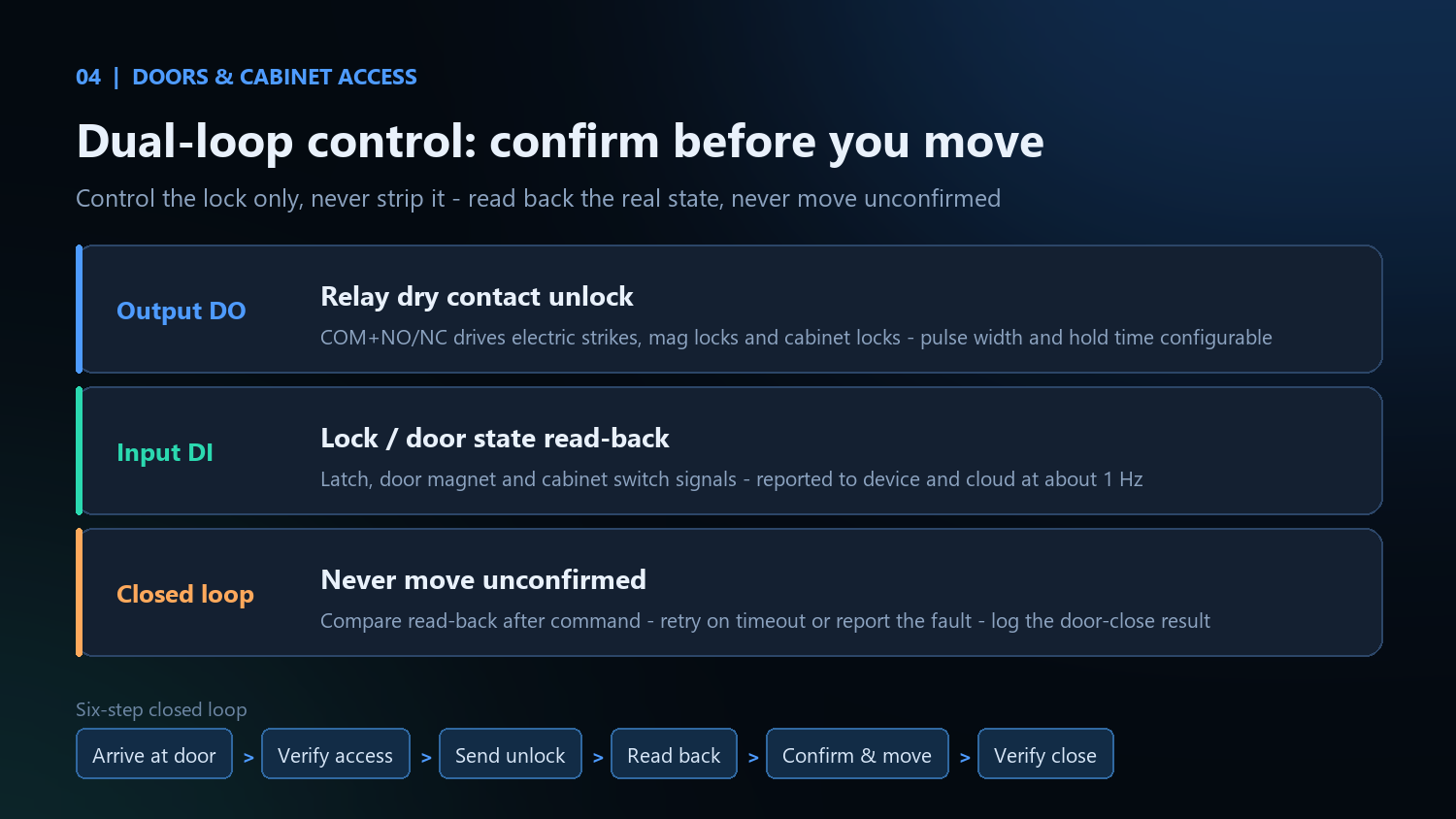
Figure 4 | Dual loops and the six-step closed loop02Pedestrian doors and passage doors
The robot calls for the door, passes through, and the door relocks automatically, with the whole passage logged.
Pain on site
· Access control needs a badge or a call button, and there is nobody to swipe for the robot
· Ground floors, courtyards and office zones are zoned by door, so opening doors manually breaks the flow
· Doors left open after someone passes through create tailgating and safety risks
What RTNV100 changes
· Autonomous door calling: the unit triggers the access control unlock via dry contact when the robot arrives, no badge needed
· Confirm state before passing: reads back door magnet and latch state, then passes only once the door is confirmed unlocked and open
· Auto-relock after passing: detects the door closing and verifies the relock, reporting timeouts to the dispatch platform03Power distribution and communication cabinet doors
Authorise opening before inspection work, verify closure afterwards, preventing mis-entry and forgotten doors.
Pain on site
· Power rooms, weak-current equipment rooms and network racks are often locked, so inspection robots cannot get in
· Cabinet door open and close states are not recorded, risking forgotten doors or accidental entry into live areas
· Sites are spread out, so opening cabinets with a person on site is costly
What RTNV100 changes
· Authorised cabinet opening: drives the cabinet lock locally or remotely against task permissions, with identity and time-window checks
· Cabinet state read-back: DI monitors cabinet door and latch state, and the next task does not start until the door is closed
· Closed-loop work records: opening time, work duration and closure verification are recorded in the cloud for traceability and audit04From arriving at the door to verifying closure, six steps
1Arrive at the door
2Verify identity and authorisation
3Send the unlock command
4Read back lock and door state
5Pass once confirmed
6Verify closure and release
Safety boundary
No authorisation or an exception signal means the door is never opened; if the unlock is not confirmed within the timeout, the unit retries and reports to dispatch. Live-voltage detection, obstacle recognition and avoidance are handled by the robot's radar and vision and by on-site sensors, keeping responsibilities for people, devices and systems clearly separated.
05Scenario Deployment
The same solution lands on different sites and solves different problems.01Offices and industrial parks
Deliveries, files, coffee and cleaning — robots serving the working day across floors.
Pain on site
· Lifts are crowded with people, and a robot riding along annoys everyone
· At the lunch peak, deliveries bunch up and manual hand-off is inefficient
· Evening cleaning robots can only work a single floor
What RTNV100 changes
· The robot yields the lift to people and waits for the next one, so people always go first
· Multiple robots share one lift, with job_id scheduling to stagger the rides
· Robots also run at night, so cleaning and disinfection robots cross floors unsupervised after the office closes
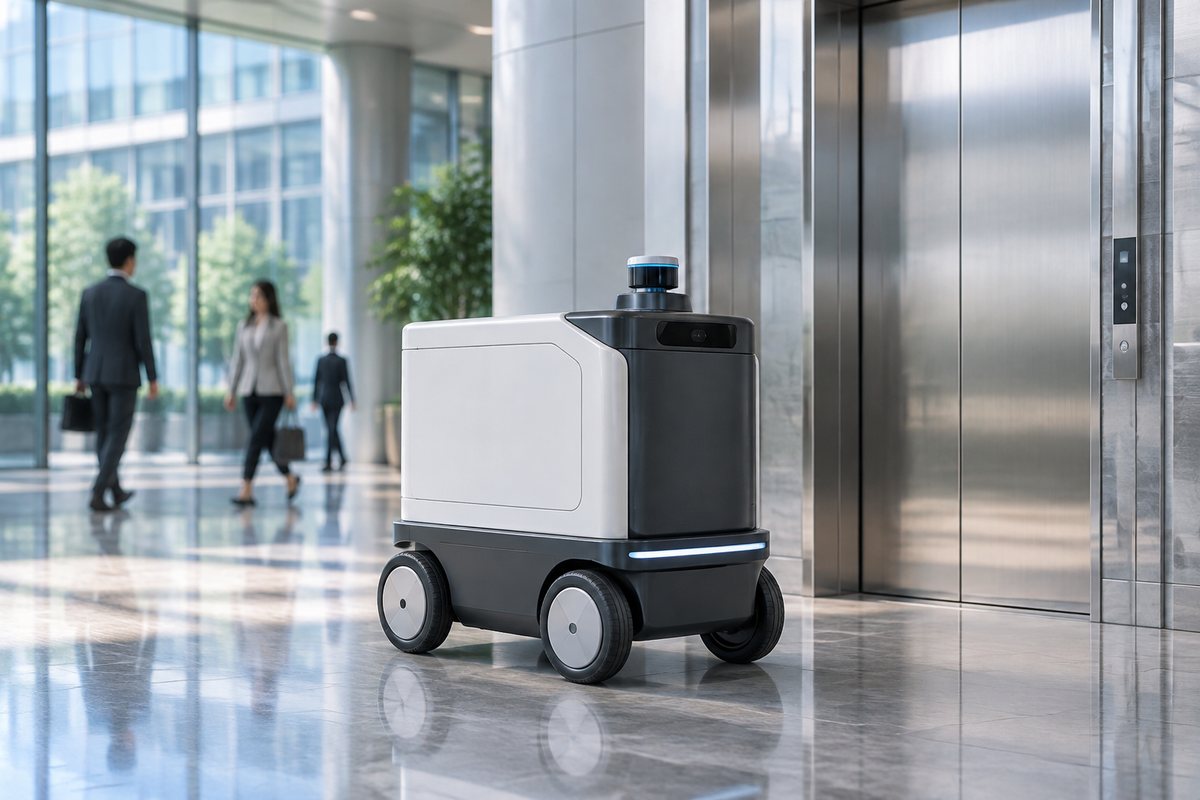
Figure 5 | Offices and industrial parks02Hospitals and pharmaceutical distribution
Medicine, specimens, linens and meals — less traffic crossing, and delivery never stops for 24 hours.
Pain on site
· Runners spend time fetching medicine and specimens from the nurse station
· Manual transfer between floors raises infection-control risk
· Levelling precision is critical, and thresholds must not catch the robot
What RTNV100 changes
· The VE Pro hard-levelling version, with magnetic strips or U-shaped photoelectric sensors, aligns to the millimetre so low-chassis robots clear thresholds
· Infection-control friendly: disinfection robots replace manual round trips across floors
· Every ride is logged in the cloud for traceability and audit
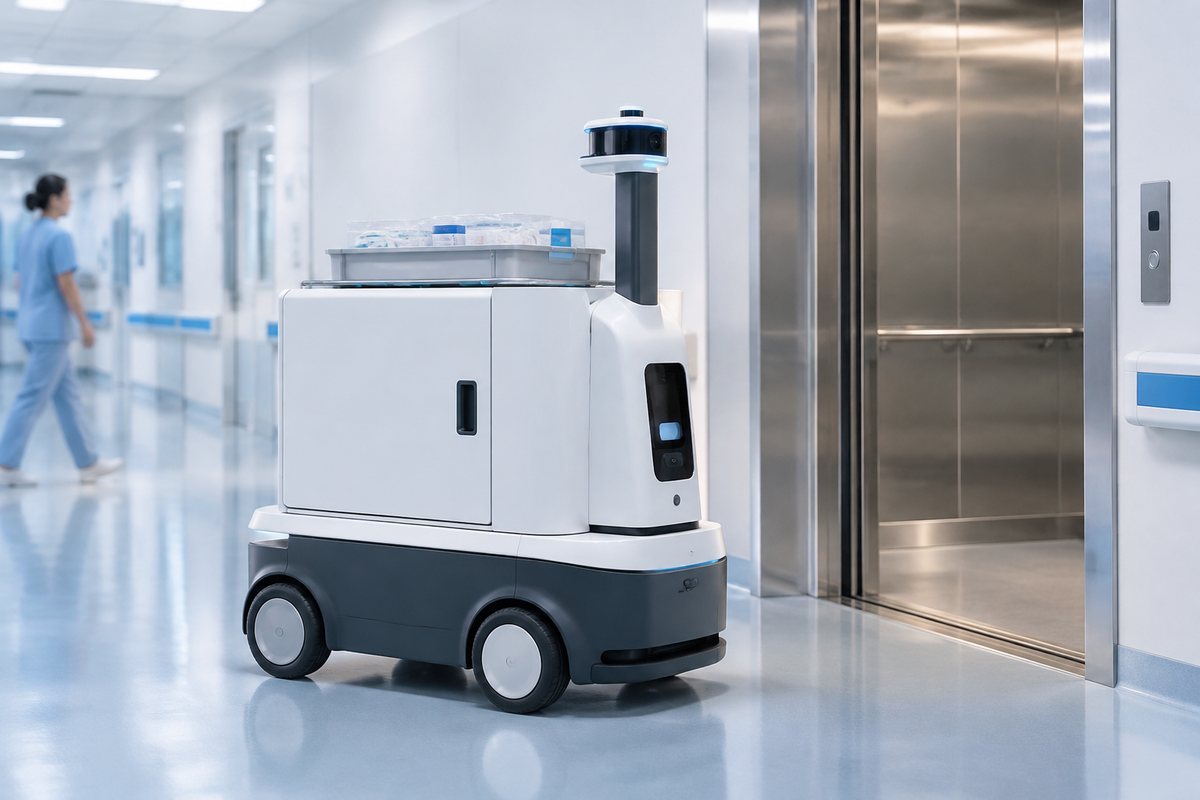
Figure 6 | Hospitals and pharmaceutical distribution03Factories and warehouse logistics
AMR / AGV carrying loads across floors, linking the workshop floor and the high-bay warehouse.
Pain on site
· Materials on multi-storey workshop floors still need manual lift transport
· Low-chassis AGVs catch if the threshold is a few millimetres off
· Factory lifts are harsh, with dust and heavy vibration
What RTNV100 changes
· Fits low-chassis AGVs: the V2 hard-levelling version keeps threshold differences within the passable range
· Industrial-grade stability: car-top mounting resists vibration, and remote OTA avoids on-site visits
· Connects to MES / WMS through standard MQTT, dropping straight into your existing dispatch
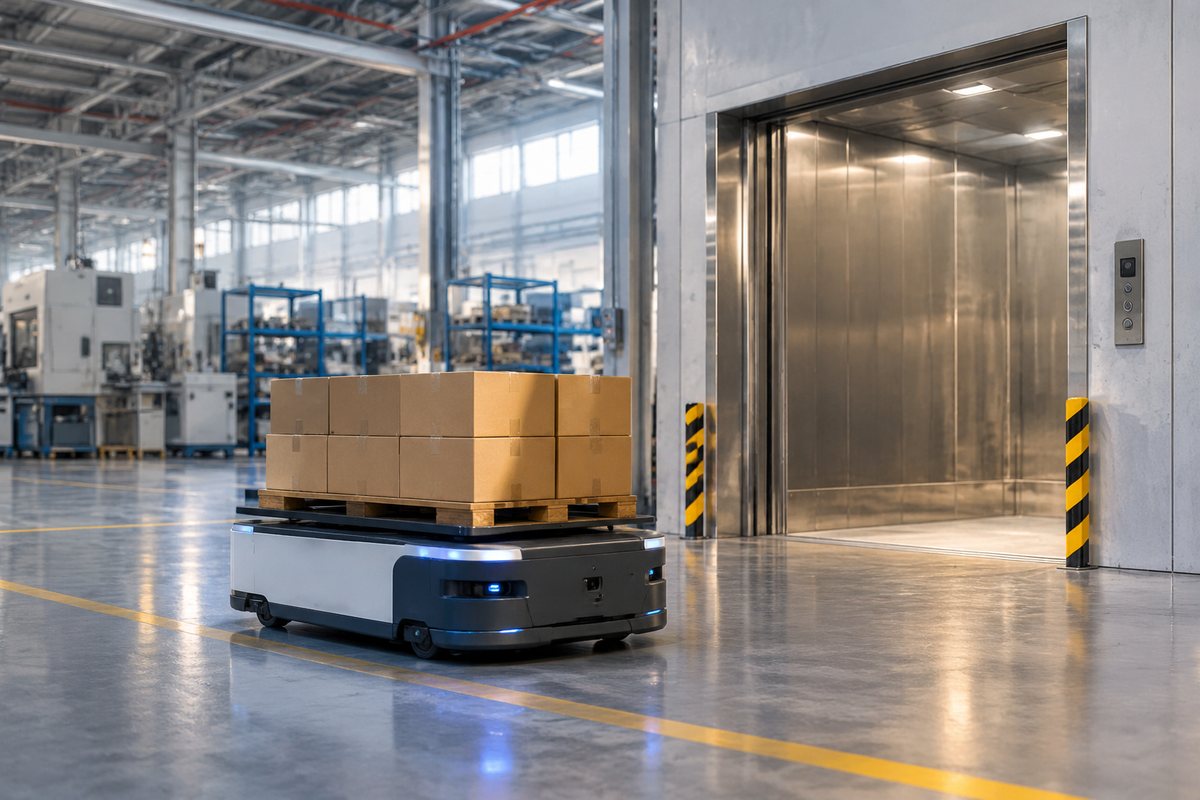
Figure 7 | Factories and warehouse logistics04Cleaning and disinfection robots
During unmanned night hours, they cross floors to clean and disinfect an entire building.
Pain on site
· Cleaning robots can only sweep the ground-floor lobby
· Nobody accompanies them at night, so upper floors go uncleaned
· Property-management labour costs are high and night shifts are hard to staff
What RTNV100 changes
· Unmanned night operation: after the office empties, robots call lifts themselves and clean floor by floor into the early hours
· Decoupled from cleaning rosters: robots run the whole building while staff focus on key areas
· Automatic work reports: completion time per floor and lift ride counts are logged in the cloud for property teams to check
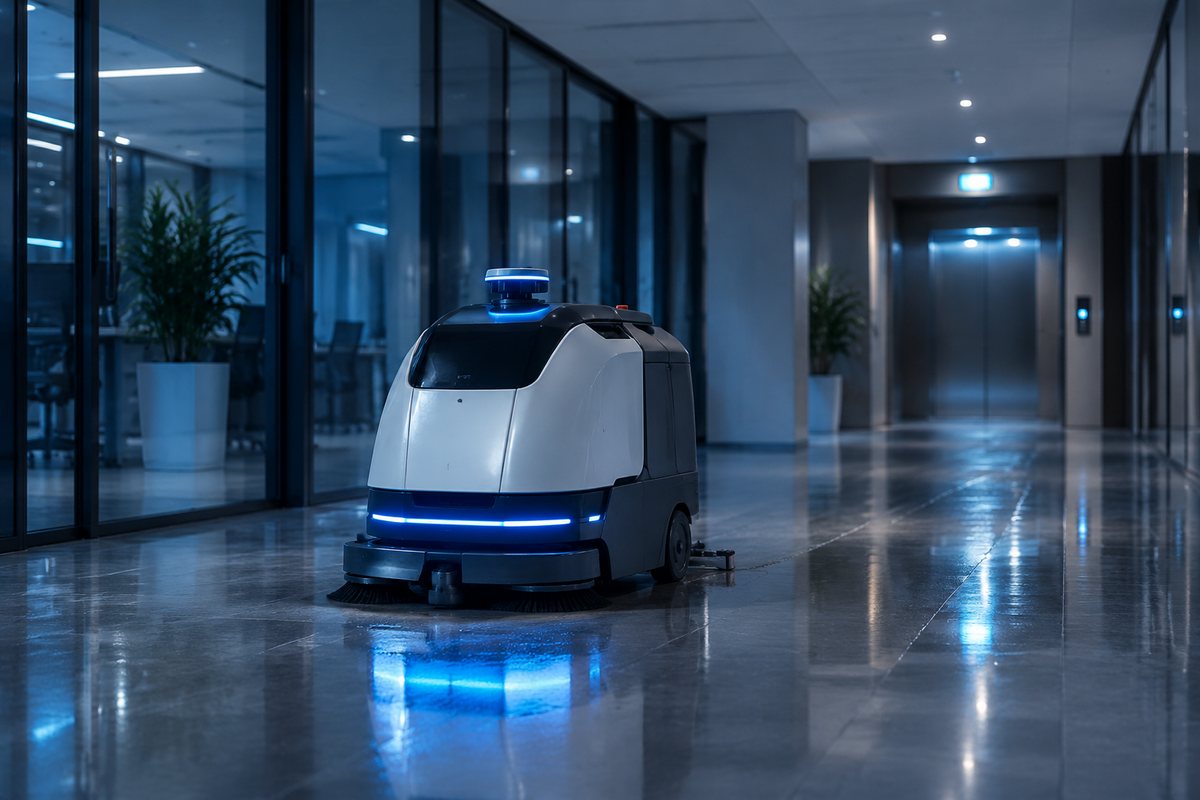
Figure 8 | Night cleaning and disinfection05Retrofitting existing elevators
A lift from fifteen years ago with no protocol and no interface — robots running within a week.
Pain on site
· The original vendor has gone bankrupt or will not cooperate
· There is no open protocol, so modifying the mainboard is unrealistic
· Pilot projects need to move fast, not wait months
What RTNV100 changes
· Self-sensing floor detection that does not depend on the lift display code, recognising floors with three fused sensors
· Dry contact in parallel with the in-car button, leaving the mainboard untouched, with about half an hour of vendor service
· A one-week pilot, with roughly one day from installation to a robot running on a single lift
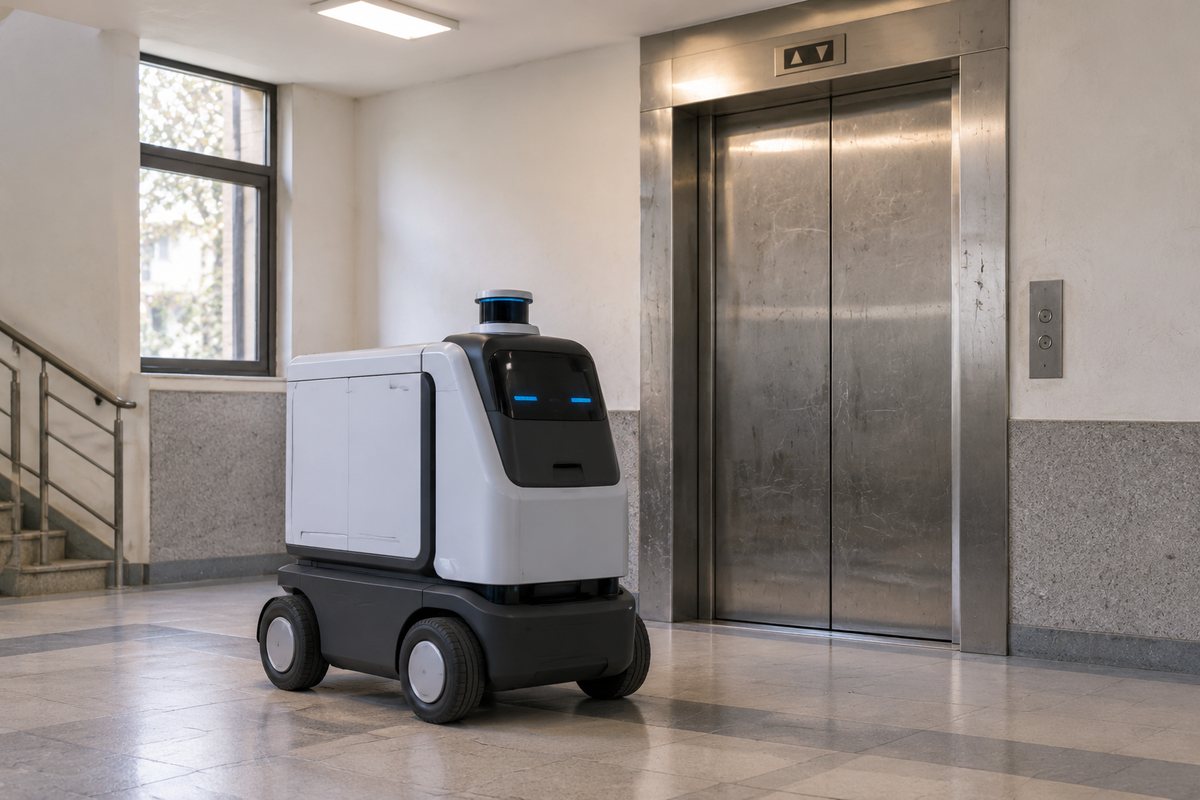
Figure 9 | Retrofitting existing elevators
06Versions and Specs
Scale up by BOM, not by rebuild
One platform, three configurations, from cabinet doors to millimetre-precise levelling.
VADoors / smart cabinets
Campuses and offices · delivery and inspection
· Three-sensor soft levelling
· Dry contact relay elevator call
· Door-position DI
· SoftAP in-car local control
· Optional cloud MQTT
VEElevator transit
With vendor service · steadier floor detection
· Read-only parallel code or brand serial
· Parallel OEM levelling point
· Read only, never writes the bus
· Steadier floor recognition
· Software upgrade only
VE ProHigh precision
Hospitals · low-chassis AGV
· Magnetic strip or U-shaped photoelectric hard levelling
· Millimetre threshold alignment
· Optional man/machine interlock
· Expansion board for more floors
· Scale up by BOM
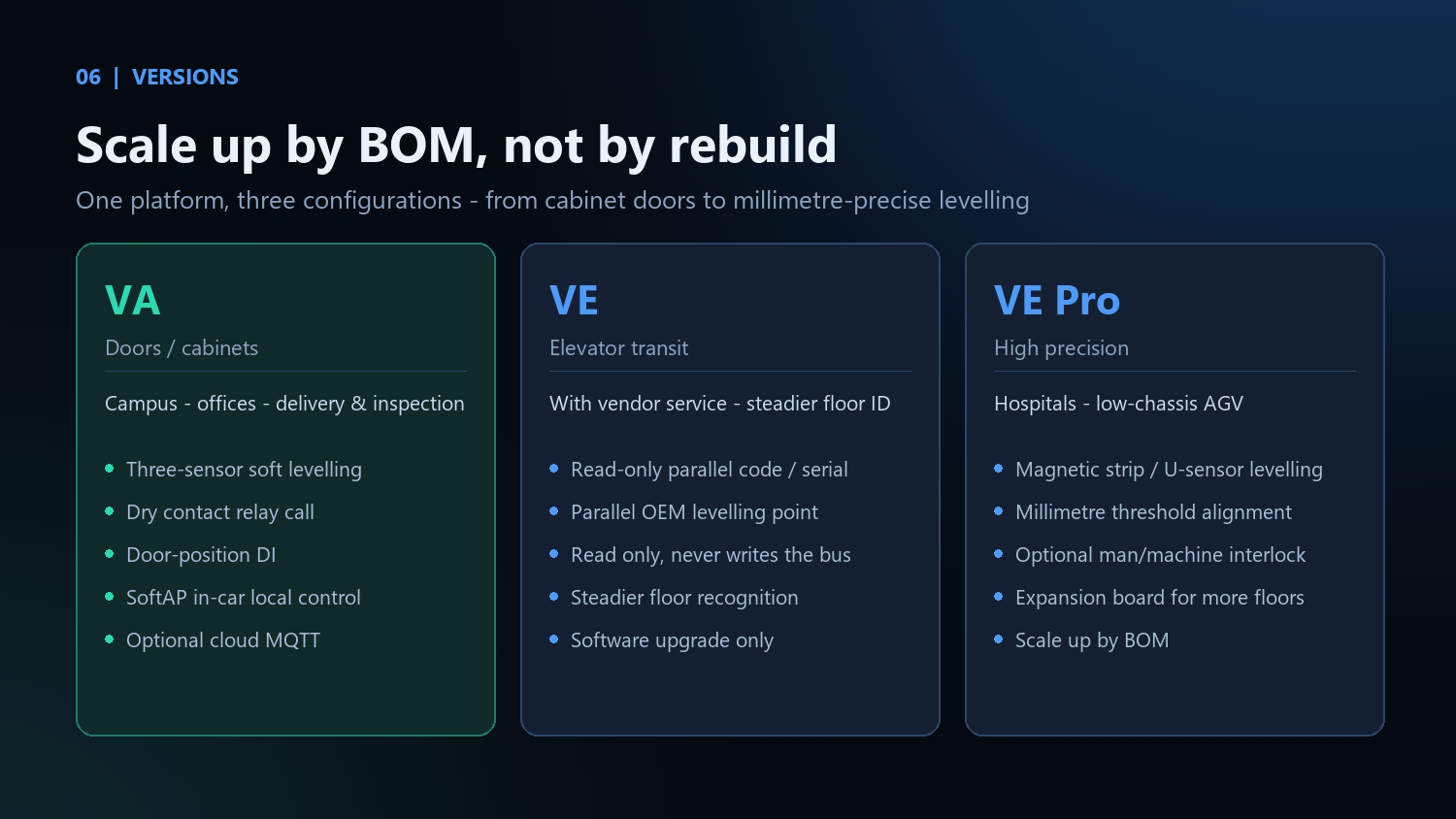
Figure 10 | Three configurations
06Versions and Specs
Technical specifications
| Model | RTNV100 |
| Main controller | Integrated dual-core SoC |
| Floor sensing | Multi-modal multi-sensor perception; VA for doors and smart cabinets; VE for elevator transit |
| Actuation | Potential-free dry contact COM+NO in parallel; pulse 200–500 ms |
| In-car interface | Wi-Fi 6 SoftAP UDP; BLE 5.4 GATT |
| Outbound interface | Ethernet → 5.8G shaft bridge; MQTT to the elevator control cloud |
| Power / installation | Independent 24V at the car-top maintenance point; unit mounted at the car top with the antenna fed into the car ceiling |
| Compliance | Peripheral-addition approach of SAMR [2019] No. 64; never enters the safety circuit; never taps the mainboard |
06Get Started
Let robots cover the whole campus, starting with one RTNV100
· Pilot site: one site running within a week
· Integrate with your existing dispatch platform: standard MQTT / BLE JSON
Shenzhen Ximo Smart Technology Co., Ltd.
Image notes
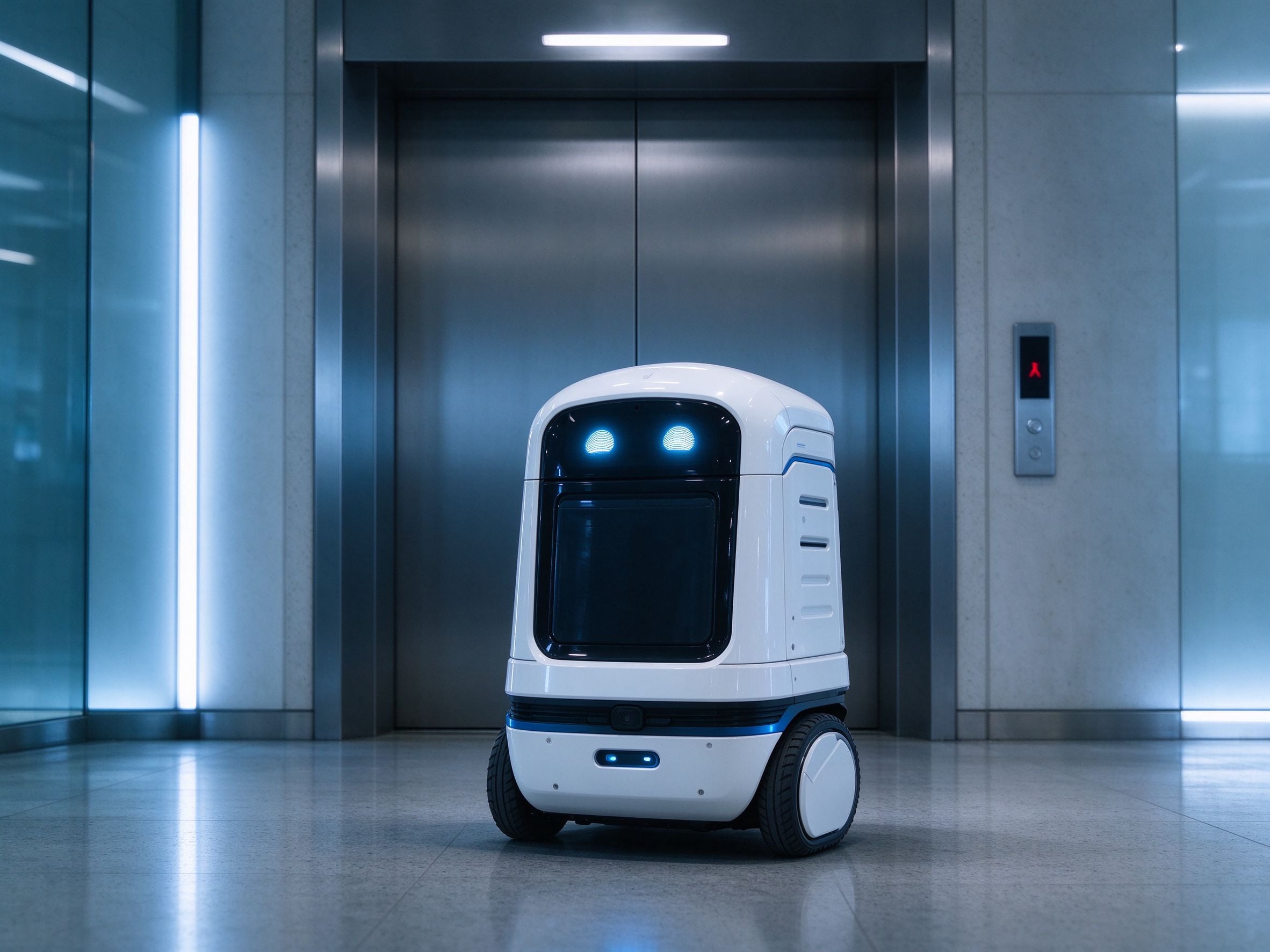
Apart from the real product photo, Figures 5–9 are illustrative scene images that do not correspond to any specific project site, and the robot shown is a generic illustration rather than the actual product; Figures 1 / 2 / 4 / 10 are solution diagrams; the product in the cover image is a rendered image.
Our professional sales team are waiting for your consultation.
 EN